
Two questions come up again and again in mini program development inquiries: we have a website, is a mini program redundant; or we just launched a mini program, do we still need a website. The two products never compete. Their capability boundaries barely overlap, and the mistake is always the same, letting one product cover the job of the other.
The sharpest difference: search engines
A corporate website gets indexed by Baidu and Google. Buyers searching product terms or your company name land on your pages, and this search driven acquisition path is the main channel for B2B business. A WeChat mini program stays outside general search engines. Its entrances live inside WeChat: in app search, QR codes, share cards, official account menus. One line sums it up: the website is an open front where strangers discover you, the mini program is a tool inside WeChat where people who already know you get things done. Expecting strangers to discover you inside a mini program is like opening a shop in an alley without a sign.
What each one handles well
Websites carry heavy content: product parameters, cases, certificates, technical documents, long pages without limits, with one set of content serving desktop and mobile through the responsive layout logic for breakpoints and navigation. Mini programs tap WeChat capabilities: payments, service sessions, push messages, membership cards, which fit booking, repair reporting and repeat purchase actions. Update mechanics differ too. A website goes live the moment you save changes; a mini program goes through review on every release, so frequently updated content belongs on the website side.
Three questions that settle the combination
Do customers find you mainly through search? Then the website comes first and search optimization runs for the long term. Do customers need a repeated function, order lookup, QR based repair reporting, membership points? Then a mini program earns its budget. Is there an offline scenario, exhibition materials, nameplates on equipment, a shop counter? QR and go, that is where mini programs pay off fastest.
Three yes answers: build both. The website is the front, the mini program is the tool; put a mini program code on website pages, link the website inside the mini program, and let them feed each other. Once the decision is made, five review checkpoints before launch is worth reading early, because category qualifications take time to prepare. Only the first question says yes: get the website solid, postpone the mini program. Only the last two: start with the mini program, but a searchable website will be needed sooner or later.
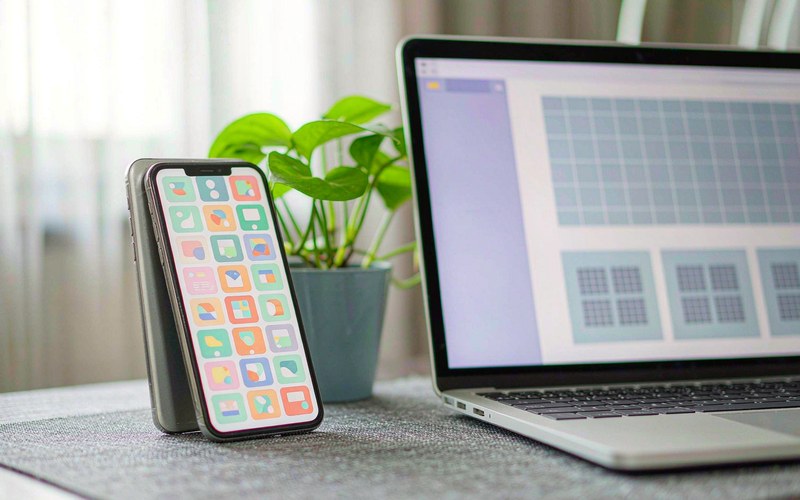
How to compare templates, SaaS and custom builds is covered in the template SaaS custom comparison, worth settling before the budget conversation. Both products must look right on a phone, so check them side by side.
Related Q&A
Can a mini program replace the website
No. General search engines cannot index mini programs, so a buyer searching your company name finds nothing, and a B2B company loses the whole search acquisition path. A mini program is a service tool, not a search entrance.
If both are planned, which comes first
Follow your customers. Search driven customers point at the website first; customers living in WeChat private channels point at the mini program. When in doubt, build the website first, since that investment works as a foundation either way.
How should the budget be split
Count the website as a one time build fee plus small yearly renewals for domain and hosting. The mini program carries the development fee, a yearly certification fee around three hundred RMB, and review time on every update. Compare total cost of ownership, not the quotation alone.